

In the intricate web of modern technology, DC cables may not always be in the spotlight, but they are the unsung heroes that quietly power countless devices and systems. From our everyday gadgets to complex industrial machinery, DC cables play a crucial role in ensuring a stable and efficient power supply, making them an indispensable part of our interconnected world.
The significance of DC cables lies in their ability to transmit direct current power with minimal loss and maximum reliability. Unlike alternating current (AC), which is often used for long - distance power transmission, DC is preferred for powering a wide range of electronic devices due to its simplicity and compatibility. DC cables are designed to handle specific voltage and current requirements, ensuring that devices receive the right amount of power to function optimally. Whether it's charging a smartphone, powering a laptop, or operating a security camera, DC cables are the essential link between the power source and the device.
One of the most remarkable aspects of the DC cable industry is its continuous pursuit of innovation. Manufacturers are constantly developing new materials and technologies to enhance the performance and durability of DC cables. High - quality conductors, such as oxygen - free copper, are widely used to reduce electrical resistance and improve conductivity, resulting in more efficient power transfer. Advanced insulation materials, like cross - linked polyethylene (XLPE) and fluoropolymers, offer excellent protection against electrical shorts, moisture, and heat, ensuring the safety and longevity of the cables. Additionally, the development of flat and flexible DC cables has made it easier to route and install cables in tight spaces, expanding their applications in various industries.
DC cables also offer a high degree of versatility, catering to a diverse range of applications. In the consumer electronics sector, USB - C DC cables have become the standard for charging and data transfer, thanks to their reversible design and fast - charging capabilities. They can be used to power and connect a wide variety of devices, from smartphones and tablets to laptops and external hard drives. In the automotive industry, DC cables are essential for powering electric vehicles (EVs) and hybrid vehicles. These cables need to be able to handle high - voltage and high - current loads while maintaining excellent reliability and safety. In the renewable energy sector, DC cables are used to connect solar panels and wind turbines to inverters and energy storage systems, playing a vital role in the transition to clean energy.
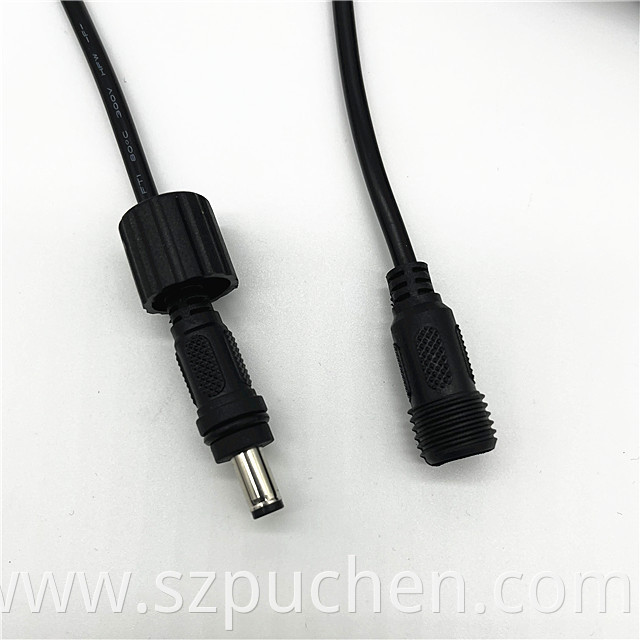
In the market, several DC cable products have stood out for their quality and performance. The Anker PowerLine+ USB - C cables are highly regarded for their durability, with reinforced connectors that can withstand thousands of bends. They also support fast charging, allowing users to quickly power up their devices. The CableCreation Thunderbolt 4 cables offer high - speed data transfer rates of up to 40 Gbps, making them ideal for connecting high - performance devices such as external graphics cards and 8K displays. For automotive applications, Tesla's Supercharger cables are designed to deliver high - power charging to its EVs efficiently and safely.
Looking ahead, the future of DC cables is promising. As technology continues to advance, the demand for DC cables will only increase. With the rise of 5G, the Internet of Things (IoT), and artificial intelligence, there will be a greater need for reliable and high - performance DC cables to power the vast number of connected devices. The development of new materials and manufacturing techniques will further improve the performance, durability, and flexibility of DC cables. Moreover, as the world moves towards a more sustainable future, there will be a growing focus on developing eco - friendly DC cables made from recycled materials and with reduced environmental impact.
In conclusion, DC cables may not be the most glamorous part of the technology ecosystem, but their importance cannot be overstated. They are the backbone of our modern electrical infrastructure, powering everything from our smallest gadgets to the largest industrial systems. Through continuous innovation and adaptation, DC cables will continue to play a vital role in shaping the future of technology and ensuring a reliable power supply for generations to come.