

In the dynamic landscape of modern technology, USB cables have emerged as an indispensable component, seamlessly connecting a plethora of devices and facilitating data transfer and power supply. From the humble beginnings of the Universal Serial Bus (USB) standard to the latest advancements, these cables have continuously evolved to meet the ever-growing demands of consumers.
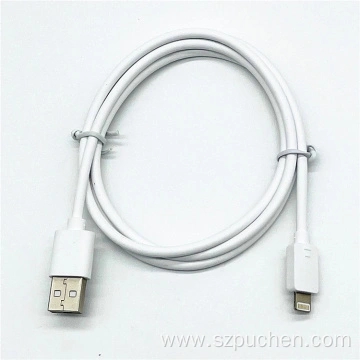
The journey of USB cables began with the introduction of the original USB 1.0 in 1996, primarily designed for basic data transfer at a modest speed of 1.5 Mbps. As technology advanced, USB 2.0 brought a significant leap forward in 2000, increasing the transfer rate up to 480 Mbps, making it suitable for transferring larger files and supporting devices like external hard drives and high-resolution cameras. Then came USB 3.0 in 2008, boasting a remarkable speed of 5 Gbps, which further enhanced the efficiency of data transfer, especially for large multimedia files.
The most revolutionary development in recent years is the USB-C connector. With its reversible design, users no longer have to struggle with inserting the cable the wrong way. USB-C cables support much higher power delivery, allowing for fast charging of laptops and other high-power devices. Moreover, they can achieve data transfer speeds of up to 40 Gbps with the Thunderbolt 4 standard, enabling seamless transfer of 4K and even 8K video content.
In today’s digital age, USB cables play a crucial role in our daily lives. Whether it’s charging our smartphones on the go, syncing data between devices, or connecting peripherals to our computers, USB cables ensure smooth and efficient operation. As technology continues to evolve, we can expect USB cables to become even more powerful, compact, and versatile, further enhancing our digital experiences.